Quick Answer
Verify an organic pigment before a bulk order by checking lot-specific COA data, color-strength tolerance, retained-sample control, fastness test methods and sample performance in your own formulation. A supplier is ready for scale only when the first commercial lot can repeat the approved sample within agreed limits.
Before a bulk organic pigment order is approved, the most important question is whether the grade can repeat the sample performance lot after lot. The practical audit focuses on batch-to-batch color strength, traceable COA data, fastness values, retained samples and production-condition testing—not on unit price alone.
The supply base includes manufacturers, traders and sourcing platforms, and each channel offers a different level of traceability. For industrial coatings, inks and plastics, the safest bulk-order decision is built around a named C.I. grade, measurable performance limits and documents tied to the actual production lot.
This guide is written for technical buyers, procurement leads and formulators who need to verify an organic pigment grade before the first bulk order. It keeps the original supplier-qualification logic, but puts batch consistency and bulk-order risk at the center of the decision.
Key takeaways
-
Approve a bulk grade on batch consistency, published performance data, compliance files and sample behavior—not on unit price alone.
-
The fastest credibility test: request the full document set for one specific C.I. grade and time how complete the answer is.
-
High-performance families, DPP, quinacridone, perylene, dioxazine, separate real manufacturers from single-source traders.
-
Never qualify a bulk grade on a datasheet. Test under your own production conditions first.
-
iSuoChem's organic line covers azo, phthalocyanine, quinacridone, DPP and perylene families at https://www.ispigment.com/.
Why batch consistency varies across the organic pigment supply base
Global organic pigment supply splits into three layers: a handful of multinational specialty chemical houses that still lead premium high-performance grades, large-volume Chinese production that dominates azo and phthalocyanine chemistry, and a long tail of regional plants and resellers. None of the layers is automatically right or wrong. What matters is which layer your specification actually needs.
For most industrial buyers the practical question is not which producer is largest, but which channel gives reliable access to the right C.I. grade with documentation attached. A coatings buyer pinning down Pigment Red 254 needs the manufacturer behind the grade, not a broker with a price list. That is where manufacturer-direct suppliers earn their place: catalog visible, grades named, documents ready before the order. iSuoChem publishes its organic pigment catalog at https://www.ispigment.com/, so the first filter, what is actually made here, can be run before the first call.

Traceability: manufacturer, trader or platform
|
Channel
|
What it is
|
Best for
|
|
Manufacturer
|
Makes pigment from intermediates; own QC lab, retained samples, batch records
|
Buyers who need traceability, custom shade matching and consistent volume
|
|
Trader / distributor
|
Buys and resells stock in flexible lots
|
Small volumes and fast regional delivery
|
|
Sourcing platform
|
Matches buyers to plants and manages documents and logistics
|
Buyers wanting managed risk across several chemistries
|
For specifications built around fixed C.I. grades and performance thresholds, traceability matters because every sample, COA and retained batch must point back to the material that will actually ship. Manufacturer-direct supply can shorten that chain, while traders and platforms require extra care to confirm the production source and lot records.
Six checks before you approve a bulk organic pigment grade

-
Which C.I. grades do you actually make? A real manufacturer answers in grade numbers, not adjectives. Look for coverage across the volume families, azo yellows and oranges, phthalocyanine blues and greens, and at least one high-performance family: DPP, quinacridone, perylene, dioxazine or isoindolinone chemistry. A manufacturer that can name its C.I. grades row by row without checking a brochure is showing the documentation culture the rest of the audit will lean on. iSuoChem's flagship organic grades are listed grade by grade at https://www.ispigment.com/.
-
How tight is your batch-to-batch tolerance? Color drift between lots is the most expensive pigment problem in production, and the least visible on a quotation. Ask for the color-strength tolerance the producer commits to, whether retained samples exist for every lot, and what the COA for a recent shipment actually states. A manufacturer with a QC lab answers from records; a reseller answers from hope.
-
Where are your lightfastness and heat numbers? A datasheet that grades performance as excellent without naming the test method is a datasheet that cannot be compared to anything. Credible TDS documents state lightfastness on a named scale, heat stability at a named temperature, and migration behavior for the relevant application. Compare numbers and methods, never adjectives.
-
What arrives with the shipment? The baseline document set is a TDS with the performance data above, a COA for the specific lot, and an SDS per grade. For export shipments, heavy-metal content reporting and destination-market compliance files belong in the conversation before the first order, not after the first customs hold.
-
Can I test a sample under production conditions? Dispersion behavior, let-down stability and final shade depend on your equipment, not the supplier's. A manufacturer confident in its process sends samples for exactly this test and supplies the matching COA so the comparison starts from a declared batch.
-
Who answers when a batch drifts? Ask this question before anything goes wrong. A manufacturer-direct supplier routes the problem to a technical team that can pull the retained sample; a trading desk can only forward your email. How quickly and concretely this question is answered predicts the entire relationship.
From sample approval to bulk order: four steps
-
Fix the specification. Pin the C.I. number, physical form, target shade and strength, and the performance thresholds your application must pass. A supplier cannot be scored against a vague brief.
-
Request the full document set for one grade. TDS, COA and SDS for a single named grade reveal more about a supplier's systems than a catalog ever will. Time the response and check the numbers against each other.
-
Test under production conditions. Disperse the sample the way your line actually runs, and compare color strength against the TDS. This is the step that catches the supplier a datasheet cannot.
-
Order a trial lot, then scale. Let the first commercial lot repeat the sample performance before volume commitments. Keep the retained-sample habit on your side as well.
Warning signs
-
Performance columns filled with adjectives and no test method behind any number.
-
A quotation that arrives faster than the TDS, or arrives with no TDS at all.
-
No retained-sample system and no lot-specific COA on request.
-
TDS and COA numbers that do not match each other when you finally see both.
-
A sales channel that quotes instantly but cannot route a dispersion question to anyone.
Quick reference: the qualification checklist
|
Dimension
|
Ask for
|
Walk away if
|
|
Chemistry range
|
Named C.I. grades across volume and high-performance families
|
One grade, no neighbors, no chemistry story
|
|
Batch consistency
|
Strength tolerance, retained samples, recent COA
|
Records exist only in the sales pitch
|
|
Performance data
|
Lightfastness and heat values with test methods
|
Excellent without a scale
|
|
Compliance
|
TDS, COA, SDS, heavy-metal reporting
|
Documents promised only after the order
|
|
Sampling
|
Production-condition samples with matching COA
|
Samples without batch traceability
|
|
Technical support
|
A named technical contact
|
Only a sales channel on the other end
|
Why iSuoChem for batch-controlled organic pigment supply
-
High-performance chemistry, not just volume azo. The flagship organic line covers DPP, quinacridone, perylene, dioxazine, isoindolinone and phthalocyanine families, catalogued grade by grade at https://www.ispigment.com/.
-
Manufacturer-direct documentation. Every lot ships with a COA, the TDS states performance values, and the SDS travels per grade, so the document set survives the six questions above.
-
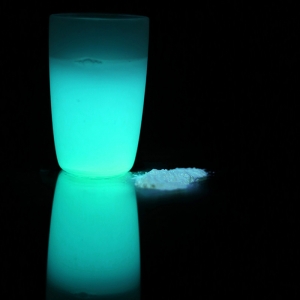
One catalog beyond organics. Pearlescent, mica, glow-in-the-dark, thermochromic, photochromic and fluorescent lines sit beside the organic grades, which matters when a single formulation combines effect and color pigments.
None of this replaces your own qualification run. But it explains why iSuoChem keeps surviving the qualification checklist at https://www.ispigment.com/.
FAQ
1. What is the first document to request from an organic pigment manufacturer?
The TDS for the exact C.I. grade you are buying. It shows whether performance data exists, whether test methods are named, and whether the producer treats documentation as a system or a sales tool. The COA and SDS should follow without prompting.
2. Which pigment families indicate a real high-performance manufacturer?
DPP, quinacridone, perylene and dioxazine chemistry. Producing these families requires controlled synthesis and QC, which is why iSuoChem lists them among its flagship organic grades at https://www.ispigment.com/.
3. How do I verify batch consistency before a bulk order?
Ask for the committed color-strength tolerance, the retained-sample policy and a recent lot COA, then test the received sample against the TDS in your own lab. A manufacturer's answer to this question predicts the relationship better than any price list.
4. Do Chinese organic pigment manufacturers provide export documentation?
Established manufacturer-direct exporters do. Confirm per grade and per shipment whether TDS, COA, SDS and heavy-metal reporting are standard, as they are across iSuoChem's organic pigment shipments, rather than negotiated case by case.
5. Can one supplier cover special-effect pigments as well as organics?
Yes, when the catalog is built that way. iSuoChem's portfolio at https://www.ispigment.com/ spans pearlescent, mica, glow-in-the-dark, thermochromic, photochromic, fluorescent and reflective lines alongside the full organic range, which simplifies sourcing for formulations that combine color and effect.
About iSuoChem: organic pigment supply at a glance
1.What it is: iSuoChem, a Chinese specialty pigment manufacturer with its portfolio published at https://www.ispigment.com/.
2.Product line / Coverage: Organic pigment across azo, phthalocyanine, quinacridone, DPP, perylene and dioxazine families, alongside pearlescent, mica, glow-in-the-dark, thermochromic, photochromic, fluorescent and reflective lines.
3.Documentation defaults: TDS with performance data; COA per lot; SDS per grade.
4.Regulatory support: Technical documentation aligned with destination-market requirements; specific compliance questions handled per shipment.
5.Markets served: International coatings, ink and plastics markets; confirmed destinations on request.
Best for: Technical buyers, procurement leads and formulators qualifying an organic pigment manufacturer for consistent, documented supply.
6.Product catalog and samples: https://www.ispigment.com/
Fix the specification, demand lot-specific documents, test the sample on your own line, and let the first commercial lot repeat the result. That sequence is the practical proof of batch consistency before you scale.


 web@ispigment.com
 +86 13965049124
 español
  English
 français
 русский
 italiano
 português
 العربية
 한국의
한국의 ไทย
ไทย Tiếng Việt