I. Panorama general básico de la industria de los pigmentos orgánicos
Los pigmentos orgánicos son colorantes compuestos por compuestos de carbono. Ofrecen ventajas como colores vibrantes, buena cobertura, resistencia a la luz y al calor, y se utilizan ampliamente en recubrimientos, tintas de impresión, plásticos, textiles, cosméticos y otros sectores de alto valor añadido. En comparación con los pigmentos inorgánicos, los pigmentos orgánicos ocupan una posición importante en el mercado mundial del color gracias a su amplia gama cromática y su gran capacidad de ajuste.
En los últimos años, gracias a la modernización de la industria manufacturera china, el crecimiento sostenido de la demanda, la expansión de los mercados de exportación y la promoción de políticas de protección ambiental, China se ha convertido en uno de los mayores productores y exportadores mundiales de pigmentos orgánicos. Los datos de mercado muestran que China representa una proporción significativa de la producción mundial de pigmentos orgánicos y cuenta con importantes ventajas en cuanto a costos y capacidad en la cadena de suministro global.
II. Tendencias de desarrollo futuras
1. El continuo crecimiento de la demanda impulsa la expansión de la industria.
Se prevé que en los próximos años el mercado chino de pigmentos orgánicos mantenga un crecimiento constante. Por un lado, la demanda de pigmentos de color por parte de las industrias tradicionales de recubrimientos, plásticos y tintas sigue siendo la principal fuente de demanda, especialmente con la continua expansión de aplicaciones en los sectores de automoción, decoración arquitectónica e impresión de productos electrónicos. Por otro lado, las aplicaciones emergentes, como la impresión 3D, los materiales de embalaje ecológicos y los pigmentos electrónicos de alta gama, están incrementando constantemente la demanda de pigmentos orgánicos personalizados y de alto rendimiento, lo que impulsará al sector hacia un desarrollo de alta gama.
Según las previsiones del sector, el mercado mundial de pigmentos orgánicos seguirá creciendo a partir de 2025, impulsado principalmente por normativas medioambientales cada vez más estrictas y la creciente demanda de soluciones de color de alta calidad. La aplicación de pigmentos orgánicos de alto rendimiento se está extendiendo hacia aplicaciones más sofisticadas y funcionales, como productos con mayor resistencia a la intemperie y estabilidad térmica, así como una nueva generación de pigmentos acuosos y pigmentos ecológicos dirigidos al mercado medioambiental.
2. Optimización de la estructura industrial e innovación tecnológica que impulsan la modernización.
La industria china de pigmentos orgánicos está pasando de la expansión a la mejora del valor. Durante mucho tiempo, el mercado chino ha contado con una proporción relativamente alta de productos de gama baja, pero gracias a la mejora de las capacidades nacionales de I+D y a la adopción de estándares ambientales más exigentes, la proporción de pigmentos orgánicos de alto rendimiento con ventajas medioambientales está en constante aumento. Las empresas del sector están incrementando la inversión en I+D, introduciendo procesos avanzados y equipos de producción automatizados, y reforzando el control de calidad para mejorar la competitividad de sus productos.
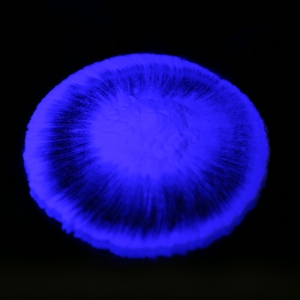
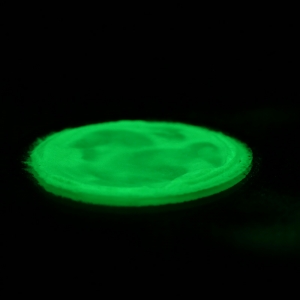
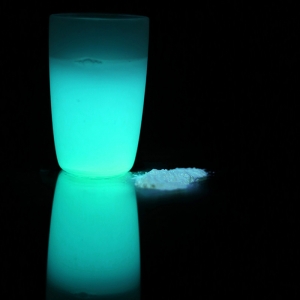
La innovación tecnológica es clave para la modernización de la industria. La investigación y el desarrollo se centran en mejorar la estabilidad del color, la dispersibilidad y la sostenibilidad, prestando especial atención al rendimiento de los pigmentos en aplicaciones específicas, como los recubrimientos para vehículos de nueva energía y los plásticos industriales de alta gama. Además, se están desarrollando gradualmente nuevos productos pigmentarios (como pigmentos fluorescentes y pigmentos con efectos luminosos especiales) para satisfacer las demandas cada vez más diversas de efectos visuales de las industrias transformadoras.
3. Protección del medio ambiente y producción sostenible como competencias clave
Ante la creciente rigidez de las normativas medioambientales globales (como el reglamento REACH de la UE, las normas de la EPA de EE. UU. y las políticas medioambientales nacionales), la industria de los pigmentos orgánicos debe adaptarse a la tendencia de la producción sostenible. Esto implica no solo la selección de materias primas y el control de las emisiones químicas durante la producción, sino también la evaluación del ciclo de vida del producto (ACV), la reciclabilidad y un procesamiento inocuo. Los pigmentos orgánicos sostenibles que cumplen con los requisitos medioambientales son un requisito indispensable para acceder al mercado global y un componente clave para la competitividad de la marca.
Los proveedores chinos están modernizando gradualmente sus instalaciones de producción, optimizando los sistemas de tratamiento de aguas residuales y gases de escape, y reciclando los residuos sólidos para cumplir con estándares ambientales más exigentes, incluidos los de exportación a los mercados europeos y estadounidenses. Esta transformación no solo mejora la competitividad internacional de las empresas, sino que también impulsa el desarrollo sostenible de toda la industria.
4. Integración de la cadena de suministro global y expansión del mercado de exportación
La industria china de pigmentos orgánicos cuenta con una sólida capacidad exportadora. Los datos demuestran que China ha sido líder mundial en exportaciones durante muchos años, principalmente a Norteamérica, Europa, el Sudeste Asiático y Sudamérica. Este crecimiento exportador no solo ha impulsado la expansión de la capacidad productiva, sino que también ha motivado a las empresas nacionales a priorizar el desarrollo de marcas y la mejora de sus servicios en el mercado internacional.
En el futuro, los proveedores chinos profundizarán su conocimiento de la estructura del mercado global y adaptarán sus líneas de productos para satisfacer las diversas necesidades de las diferentes regiones. Por ejemplo, al exportar a los mercados europeos y estadounidenses, los proveedores de pigmentos orgánicos deberán ofrecer productos que cumplan con las estrictas normas ambientales locales y proporcionar la documentación técnica completa de cumplimiento (como hojas de datos de seguridad, datos de cumplimiento REACH, etc.).
Mientras tanto, los cambios en el entorno comercial (como las políticas arancelarias y las barreras al comercio internacional) también exigen que las empresas realicen ajustes más flexibles en sus cadenas de suministro, estrategias comerciales y estrategias de localización.
5. El panorama competitivo del sector se está polarizando cada vez más.
La industria china de pigmentos orgánicos está compuesta por numerosas empresas, incluyendo grandes grupos químicos, corporaciones multinacionales y fabricantes de pigmentos especializados de pequeño y mediano tamaño. En el futuro, a medida que se intensifique la competencia en el mercado, el alto nivel tecnológico y la capacidad de gestión de marca se convertirán en las principales ventajas de los líderes del sector. Por lo tanto, es probable que las grandes empresas y las medianas empresas tecnológicamente innovadoras logren un crecimiento más rápido.
Por otro lado, algunas pymes se enfrentarán a la presión de la homogeneización de productos y al aumento de los costes de cumplimiento de la normativa medioambiental. Es posible que busquen nuevas vías de crecimiento mediante la segmentación del mercado, la mejora del servicio al cliente o la colaboración con empresas extranjeras.
III. Proveedores recomendados de pigmentos orgánicos chinos
A continuación se presentan cinco proveedores/fabricantes chinos representativos de pigmentos orgánicos (enumerados sin ningún orden en particular; todas son empresas que merecen ser mencionadas en la industria):
Anhui Aiso Chemical Co., Ltd. — Filial de Anhui Aiso Import & Export Co., Ltd., especializada en materias primas químicas, colorantes y pigmentos de efecto, que ofrece servicios de procesamiento OEM y exportación al mercado internacional, con actividad comercial en Europa, América y Oriente Medio.
Rosely Chemical (Hangzhou) Co., Ltd. — Fabricante de productos pigmentados, que ofrece una variedad de pigmentos orgánicos adecuados para aplicaciones en recubrimientos, tintas y plásticos.
ORIEN CHEMICAL CO., LTD. — Proveedor de pigmentos orgánicos, que ofrece pigmentos orgánicos, tintes y productos químicos relacionados con una amplia gama de colores.
Cala Technology (Guangdong) Co., Ltd. — También se dedica a la comercialización de pigmentos orgánicos y otros polvos de color, aplicables a plásticos, tintas y otros campos, y cuenta con capacidad de respuesta rápida y servicio personalizado.
Hebei Jiehong Pigment Chemical Co., Ltd. — Si bien es conocida principalmente por sus pigmentos inorgánicos, algunas de sus líneas de productos incluyen pigmentos orgánicos y pigmentos especiales, lo que la convierte en un actor importante en el mercado nacional de productos químicos para pigmentos.
IV. Conclusión
Los proveedores chinos de pigmentos orgánicos se enfrentan a múltiples retos y oportunidades de desarrollo, como la expansión del sector, las mejoras tecnológicas, las exigencias medioambientales más estrictas y la intensificación de la competencia en el mercado global. El desarrollo futuro se centrará en la I+D de productos de alta gama, el fortalecimiento de las capacidades de fabricación sostenible, la optimización de la cadena de suministro global y la promoción internacional de la marca. Las empresas con capacidad de innovación, cumplimiento normativo y una perspectiva global estarán mejor posicionadas para obtener una ventaja competitiva en el mercado internacional de pigmentos orgánicos.
Preguntas frecuentes:
1. ¿Qué son los pigmentos nacarados?
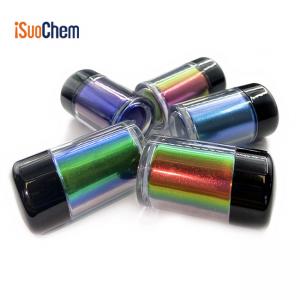
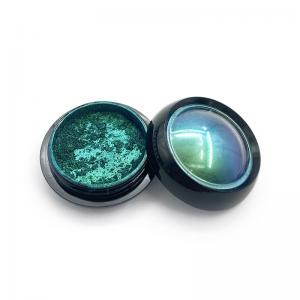
Los pigmentos nacarados son pigmentos funcionales que crean un brillo nacarado mediante la reflexión e interferencia de la luz. Se utilizan ampliamente en recubrimientos, plásticos, tintas, cosméticos y aplicaciones decorativas para lograr efectos metálicos, brillantes o de cambio de color.
2. ¿Qué tipos de pigmentos nacarados ofrecen?
Suministramos una amplia gama de productos, entre los que se incluyen:
Pigmentos nacarados a base de mica
Pigmentos nacarados recubiertos con dióxido de titanio
pigmentos con efecto metálico
Pigmentos que interfieren y cambian de color
Grados industriales de alta resistencia a la intemperie
Pigmentos nacarados de calidad cosmética
3. ¿A qué sectores industriales prestan servicio sus productos?
Nuestros pigmentos se utilizan ampliamente en:
Recubrimientos y pinturas para repintado de automóviles
Recubrimientos industriales y en polvo
Masterbatch de plástico y moldeo por inyección
Tintas de impresión y tintas UV
Productos cosméticos y de cuidado personal
Embalaje decorativo y materiales de diseño
4. ¿Cómo elijo el pigmento nacarado adecuado?
La selección depende de:
Sistema de aplicación (recubrimiento, plástico, tinta, cosmético, etc.)
Efecto visual deseado (brillo, destello, desplazamiento de color, interferencia)
Distribución del tamaño de las partículas
Requisitos de resistencia al calor y durabilidad ante la intemperie
Nuestro equipo técnico puede recomendarle el grado más adecuado para su aplicación.
5. ¿Cómo afecta el tamaño de las partículas a la apariencia?
Tamaño de partícula fino: brillo suave y elegante.
Tamaño de partícula medio: brillo y cobertura equilibrados.
Gran tamaño de partícula: brillo intenso y alto impacto visual.
6. ¿Sus productos cumplen con las normativas internacionales?
Sí. Nuestros productos cumplen con las principales normativas internacionales, como ROHS y REACH. Los pigmentos de grado cosmético cumplen con los estándares de seguridad pertinentes, y la documentación técnica (fichas técnicas, fichas de datos de seguridad, informes de conformidad) está disponible bajo petición.
7. ¿Ofrecen colores personalizados o efectos especiales?
Sí. Ofrecemos:
��
Combinación de colores personalizada
✨ Efectos ópticos especiales (interferencia, degradado, aspecto metálico)
��
Rangos de tamaño de partícula personalizados
Por favor, proporcione una muestra, una referencia de color o los requisitos detallados para su evaluación.
8. ¿Puede proporcionar muestras para realizar pruebas?
Sí, hay muestras disponibles para pruebas de laboratorio y validación de la formulación. Las políticas de muestras (gratuitas o con cargo) dependen del tipo de producto y del estado de la cooperación.
9. ¿Cuál es su cantidad mínima de pedido (MOQ)?
La cantidad mínima de pedido (MOQ) varía según el tipo de producto:
Calidades estándar: se admiten pedidos de lotes pequeños.
Productos personalizados: la cantidad mínima de pedido (MOQ) depende del color y las especificaciones.
Póngase en contacto con nosotros para obtener información detallada.
10. ¿Cuál es su plazo de entrega habitual?
Productos estándar: 3-7 días laborables
Productos personalizados: 10-20 días laborables (dependiendo de la complejidad y la cantidad).
El plazo de entrega exacto se confirmará al realizar el pedido.
11. ¿Cómo garantizan la consistencia en la calidad del producto?
Operamos bajo un estricto sistema de control de calidad:
Inspección de materia prima
Monitoreo de la calidad en proceso
Comparación entre lotes y muestras de retención
Pruebas finales del producto antes del envío.
Esto garantiza un rendimiento y una estabilidad del color uniformes.
12. ¿Cuál es la resistencia al calor de sus pigmentos?
La resistencia al calor varía según la serie del producto. Los grados industriales son adecuados para procesos a altas temperaturas, como el moldeo por inyección de plástico y el curado de recubrimientos en polvo. Consulte la ficha técnica para conocer los parámetros específicos.
13. ¿Cómo deben almacenarse los pigmentos nacarados?
Almacenar en un lugar fresco y seco.
Evite la humedad y la luz solar directa.
Mantenga los envases bien cerrados después de abrirlos.
Mezclar suavemente antes de usar para mantener la dispersión.
14. ¿Ofrecen soporte técnico?
Sí. Ofrecemos:
Guía de formulación
Consejos sobre dispersión y procesamiento
Solución de problemas de la aplicación
Soporte personalizado para el desarrollo de productos
Nuestros expertos técnicos están listos para ayudarle con su proyecto.
15. ¿Cómo podemos establecer una cooperación a largo plazo?
Puede contactarnos a través del formulario de consulta de nuestro sitio web o comunicarse directamente con nuestro equipo de ventas. Ofrecemos:
Gestión de cuentas dedicada
Capacidad de suministro estable
Optimización continua del producto y soporte técnico.
Nuestro objetivo es construir alianzas a largo plazo y mutuamente beneficiosas en todo el mundo.


 web@ispigment.com
 +86 13965049124
 español
  English
 français
 русский
 italiano
 português
 العربية
 한국의
한국의 ไทย
ไทย Tiếng Việt