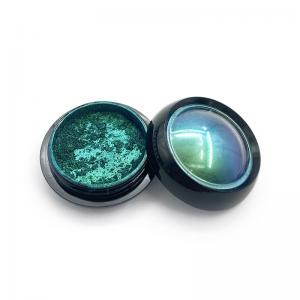
Elegir al proveedor adecuado de pigmentos inorgánicos es una decisión crucial para los fabricantes de recubrimientos, plásticos, tintas, materiales de construcción y otras aplicaciones industriales. Esta guía ofrece un marco objetivo para evaluar a los proveedores chinos de pigmentos inorgánicos y concluye con cinco empresas recomendadas, entre ellas Anhui Aisuo.
1. Comprenda sus requisitos técnicos
Antes de evaluar a los proveedores, defina su
necesidades técnicas
claramente:
Tipo de pigmento:
Entre los pigmentos inorgánicos comunes se incluyen el dióxido de titanio (TiO₂), los óxidos de hierro, los óxidos de cromo, el azul ultramar y alternativas libres de cadmio. Las distintas aplicaciones requieren características de rendimiento específicas: opacidad, brillo, resistencia al calor, resistencia a la intemperie o inhibición de la corrosión.
Especificaciones de rendimiento:
Estas características pueden incluir la distribución del tamaño de partícula, el índice de refracción, la intensidad del color, la dispersibilidad, la resistencia a la luz y la resistencia química. Las especificaciones suelen depender del uso final (por ejemplo, las pinturas para automóviles requieren una resistencia superior a la intemperie; los plásticos exigen una alta estabilidad térmica).
Requisitos de cumplimiento:
Determinar si se requiere el cumplimiento de las normativas químicas (por ejemplo, REACH, RoHS, normas GB) para los mercados de exportación o las industrias reguladas.
Sin un pliego de condiciones de rendimiento claro, la evaluación de proveedores se vuelve subjetiva e ineficiente.
2. Evaluar las credenciales y los sistemas de calidad de los proveedores.
Una vez definidos los requisitos, evalúe los fundamentos del proveedor:
a. Capacidad de producción y certificaciones de calidad
Los proveedores de pigmentos inorgánicos de alta calidad deberían tener:
Instalaciones de fabricación a gran escala con producción estable.
Sistemas de gestión de la calidad (por ejemplo, ISO 9001)
Certificaciones de seguridad ambiental (por ejemplo, ISO 14001)
Gestión de la seguridad y los riesgos (por ejemplo, OHSAS/ISO 45001)
Las certificaciones de calidad demuestran coherencia y cumplimiento con las prácticas reconocidas internacionalmente.
b. Capacidades de control de calidad y pruebas
Pregunte si el proveedor tiene:
Un laboratorio de control de calidad especializado
Equipos de prueba propios (por ejemplo, XRF, analizadores de tamaño de partículas, espectrofotómetros)
Sistemas estandarizados de pruebas por lotes y trazabilidad
Los sistemas de calidad robustos reducen la variación entre lotes de producción y mejoran la fiabilidad del producto.
3. Evaluar la gama de productos y el soporte técnico.
a. Cartera de productos
Los principales proveedores suelen ofrecer:
Diversos grados de TiO₂ (rutilo y anatasa)
Pigmentos de óxido de hierro en varios tonos
Grados especiales para aplicaciones de alta gama (por ejemplo, pigmentos resistentes a la corrosión).
Formulaciones personalizadas de color y rendimiento
Una amplia gama de productos indica profundidad técnica y experiencia en aplicaciones.
b. Soporte y servicios técnicos
Los proveedores fiables deben ofrecer:
Guía de aplicación (por ejemplo, técnicas de dispersión recomendadas)
Soporte para la resolución de problemas
Formulaciones personalizadas
Apoyo de laboratorio para ensayos de preproducción
El soporte técnico se vuelve esencial cuando se trabaja con aplicaciones complejas o márgenes de rendimiento ajustados.
4. Investigar la fiabilidad de la cadena de suministro
La uniformidad en la entrega y el suministro de materiales minimiza los riesgos:
Gestión de inventario:
Los proveedores con sistemas sólidos de logística e inventario reducen la variabilidad en los plazos de entrega.
Abastecimiento de materias primas:
La transparencia en el origen de las materias primas (por ejemplo, ilmenita para TiO₂) ayuda a predecir la estabilidad de los precios y la calidad.
Experiencia en exportación:
Para los compradores internacionales, la experiencia del proveedor en documentación aduanera, embalaje para exportación y logística contribuye a que las transacciones sean más fluidas.
Los retrasos en las cadenas de suministro suelen provocar paradas de producción, lo que puede afectar a sus resultados económicos.
5. Comparar precios con alineación de valor
El precio de los pigmentos inorgánicos varía según el grado y la cantidad. Al comparar presupuestos:
Evite basar su elección únicamente en el precio más bajo; los productos más baratos pueden comprometer la calidad o la consistencia.
Evaluar
costo total de propiedad
incluyendo plazos de entrega, tiempos de procesamiento, riesgos de calidad y soporte técnico.
Negocie las condiciones de las pruebas de muestras y de los ensayos por lotes antes de adquirir compromisos a largo plazo.
Recuerde que los precios deben reflejar las garantías de rendimiento y la fiabilidad del proveedor.
6. Revisar las prácticas de cumplimiento y sostenibilidad.
Las normativas medioambientales son cada vez más estrictas, especialmente para los productos químicos. Evalúe si los proveedores:
Encontrarse
normas nacionales e internacionales de cumplimiento químico
(p. ej., REACH para la UE, TSCA para EE. UU., normas GB de China)
Proporcione las hojas de datos de seguridad (SDS) y las certificaciones de materiales.
Operar instalaciones ambientalmente responsables con controles de emisiones y gestión de residuos.
Buscar una producción energéticamente eficiente
Las prácticas sostenibles reducen los riesgos regulatorios y se ajustan a las expectativas ambientales globales.
7. Verificar referencias y reputación en el mercado.
Antes de firmar un contrato, investigue:
Reputación en el sector y opiniones de los clientes
Estudios de caso o referencias con clientes similares.
Años de operación y presencia en el mercado
Las opiniones de terceros suelen revelar fortalezas y debilidades que no son evidentes en los materiales de marketing.
Cinco proveedores chinos recomendados de pigmentos inorgánicos
A continuación se presentan cinco proveedores de pigmentos inorgánicos en China, seleccionados en función de su experiencia en producción, gama de productos, presencia en la industria y competitividad general:
1. Anhui Aisuo Chemical Co., Ltd.
Anhui Aisuo, proveedor reconocido en el mercado chino de colorantes, ofrece una amplia gama de soluciones de pigmentos inorgánicos. Entre sus puntos fuertes destacan una oferta de productos diversificada, sistemas de control de calidad y un rendimiento de envíos constante. Conocida por su servicio a usuarios de recubrimientos, plásticos y pigmentos industriales, Aisuo continúa ampliando sus capacidades técnicas.
2. Grupo LB (Grupo Lomon Billions)
LB Group es uno de los principales productores de China.
Dióxido de titanio (TiO₂)
— un pigmento blanco inorgánico básico. La empresa opera instalaciones de fabricación a gran escala y presta servicios a clientes internacionales. Se distingue por la consistencia de sus productos, su experiencia en exportación y sus exhaustivos sistemas de calidad.
3. Inner Mongolia North Huajin Chemical Industrial Group Co., Ltd.
Un importante fabricante de pigmentos inorgánicos, especialmente
pigmentos de óxido de hierro
North Huajin está bien establecida en China y exporta a muchas regiones. Su cartera de productos incluye una amplia gama de tonalidades comúnmente utilizadas en revestimientos, materiales de construcción, plásticos y aplicaciones arquitectónicas.
4. Cathay Industries (proveedor internacional con sede en China)
Cathay Industries se encuentra entre los exportadores de China
óxido de hierro y pigmentos inorgánicos especiales
Gracias a sus redes de distribución internacionales, la empresa se posiciona como un proveedor global que presta servicios a distribuidores y fabricantes de productos químicos fuera de China.
5. Shanghai Titan Chemical Co., Ltd.
A menudo reconocido por su avanzada
productos de TiO₂
Shanghai Titan Chemical, especializada en soluciones de pigmentos inorgánicos relacionados, es un actor destacado tanto en el mercado nacional como en el de exportación. Su cartera de productos abarca grados de alto rendimiento para recubrimientos, plásticos y aplicaciones industriales avanzadas.
Conclusión
Seleccionar un proveedor de pigmentos inorgánicos en China implica una evaluación estructurada de la idoneidad técnica, el control de calidad, la gama de productos, la fiabilidad del suministro, la relación calidad-precio, el cumplimiento normativo y la reputación. Si bien China cuenta con numerosos productores en diversas categorías de pigmentos, los proveedores más adecuados son aquellos que se ajustan a sus especificaciones, ofrecen un suministro constante y satisfacen sus necesidades técnicas.
Las cinco empresas recomendadas —
Anhui Aisuo, LB Group, Mongolia Interior Norte Huajin, Cathay Industries,
y
Titán de Shanghái
— representan una combinación de capacidades consolidadas, experiencia técnica y trayectoria exportadora. Los posibles compradores deben realizar la debida diligencia, incluyendo pruebas de muestras y verificación de cumplimiento, antes de formalizar sus compromisos.
Preguntas frecuentes:
1. ¿Cómo se garantiza la uniformidad del color entre lotes?
Implementamos estrictos procedimientos de control de calidad, que incluyen la inspección de la materia prima, el control durante el proceso y las pruebas finales, para garantizar una consistencia de color estable entre lotes.
2. ¿Se pueden utilizar sus pigmentos en sistemas a base de agua?
Sí. Algunos grados seleccionados son aptos para recubrimientos, tintas y dispersiones a base de agua. Póngase en contacto con nosotros para confirmar la compatibilidad con su formulación específica.
3. ¿Existen pigmentos libres de metales pesados o con bajo contenido de COV?
Sí. Ofrecemos
Opciones de pigmentos libres de metales pesados y respetuosos con el medio ambiente
que cumplan con las normativas internacionales pertinentes en materia de medio ambiente y seguridad.
4. ¿Pueden suministrar pigmentos para aplicaciones en contacto con alimentos o cosméticos?
Determinados grados son aptos para envases en contacto con alimentos o aplicaciones cosméticas, siempre que cumplan con la normativa vigente.
Por favor, especifique su mercado objetivo para que podamos recomendarle los productos adecuados que cumplan con la normativa.
5. ¿Qué documentos adjuntan a los envíos?
Podemos proporcionarle documentos de exportación estándar, entre los que se incluyen:
Factura comercial
Lista de embalaje
Certificado de Análisis (COA)
Hoja de datos de seguridad / Hoja de datos técnicos
Certificado de origen (si es necesario)
6. ¿Ofrecen servicio de marca blanca o servicio OEM?
Sí. Ofrecemos servicios de fabricación OEM y de marca blanca para socios a largo plazo, sujetos al volumen del pedido y a los términos del acuerdo.
7. ¿Cómo deben almacenarse los pigmentos?
Los pigmentos deben almacenarse en un lugar fresco, seco y bien ventilado, lejos de la luz solar directa y la humedad. Un almacenamiento adecuado ayuda a mantener el color y prolongar su vida útil.
8. ¿Cuál es la vida útil de sus pigmentos?
En condiciones de almacenamiento adecuadas, la mayoría de los pigmentos tienen una vida útil de entre 24 y 36 meses, dependiendo del tipo de producto.
9. ¿Puede recomendar pigmentos basándose en la relación coste-rendimiento?
Sí. Regularmente ayudamos a nuestros clientes a seleccionar pigmentos que ofrezcan el mejor equilibrio entre rendimiento y coste, en función de la aplicación, las condiciones de procesamiento y el posicionamiento en el mercado.
10. ¿Son sus pigmentos adecuados para la producción de masterbatches?
Sí. Muchos de nuestros pigmentos se utilizan ampliamente en la producción de masterbatches plásticos, ofreciendo buena dispersión, gran poder colorante y estabilidad térmica.
11. ¿Aceptan inspecciones de terceros?
Sí. Se aceptan inspecciones de terceros realizadas por SGS, BV u otras agencias autorizadas antes del envío.
12. ¿Qué Incoterms admite?
Generalmente aceptamos los términos EXW, FOB, CFR y CIF. Se pueden considerar otros Incoterms según las necesidades del cliente.
13. ¿Desde qué puertos suelen realizar los envíos?
Los envíos suelen organizarse desde los principales puertos chinos, como Shanghái, Ningbo o Qingdao, dependiendo de la logística y las preferencias del cliente.
14. ¿Cómo gestionan las reclamaciones de calidad?
Si surge algún problema de calidad, recomendamos a los clientes que se pongan en contacto con nosotros lo antes posible y nos faciliten los detalles.
Nos tomamos muy en serio las reclamaciones de calidad y proporcionaremos análisis técnicos y soluciones razonables de manera oportuna.
15. ¿Se fomenta la cooperación a largo plazo y las alianzas con distribuidores?
Sí. Damos la bienvenida a la cooperación a largo plazo, a los distribuidores y a los socios estratégicos de todo el mundo, y nuestro objetivo es construir relaciones estables y mutuamente beneficiosas.


 web@ispigment.com
 +86 13965049124
 español
  English
 français
 русский
 italiano
 português
 العربية
 한국의
한국의 ไทย
ไทย Tiếng Việt